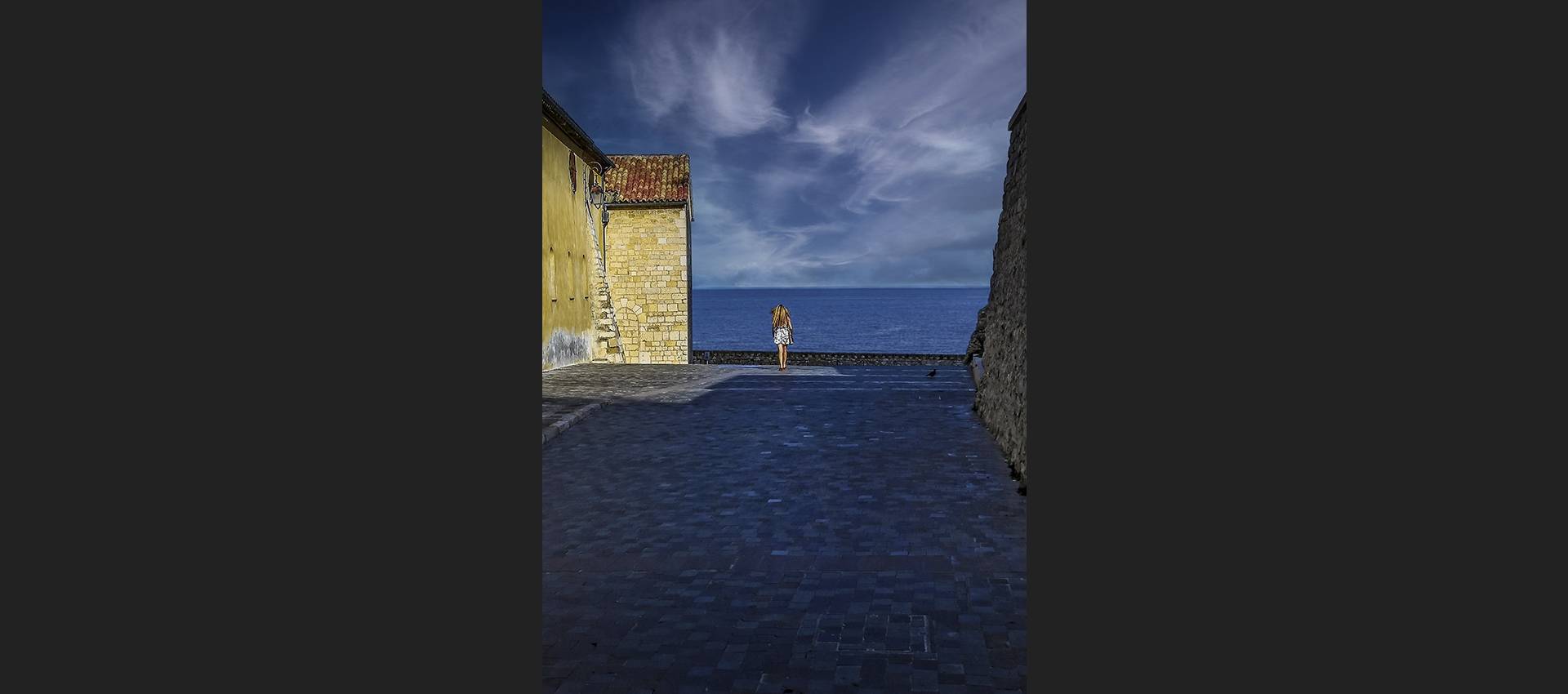
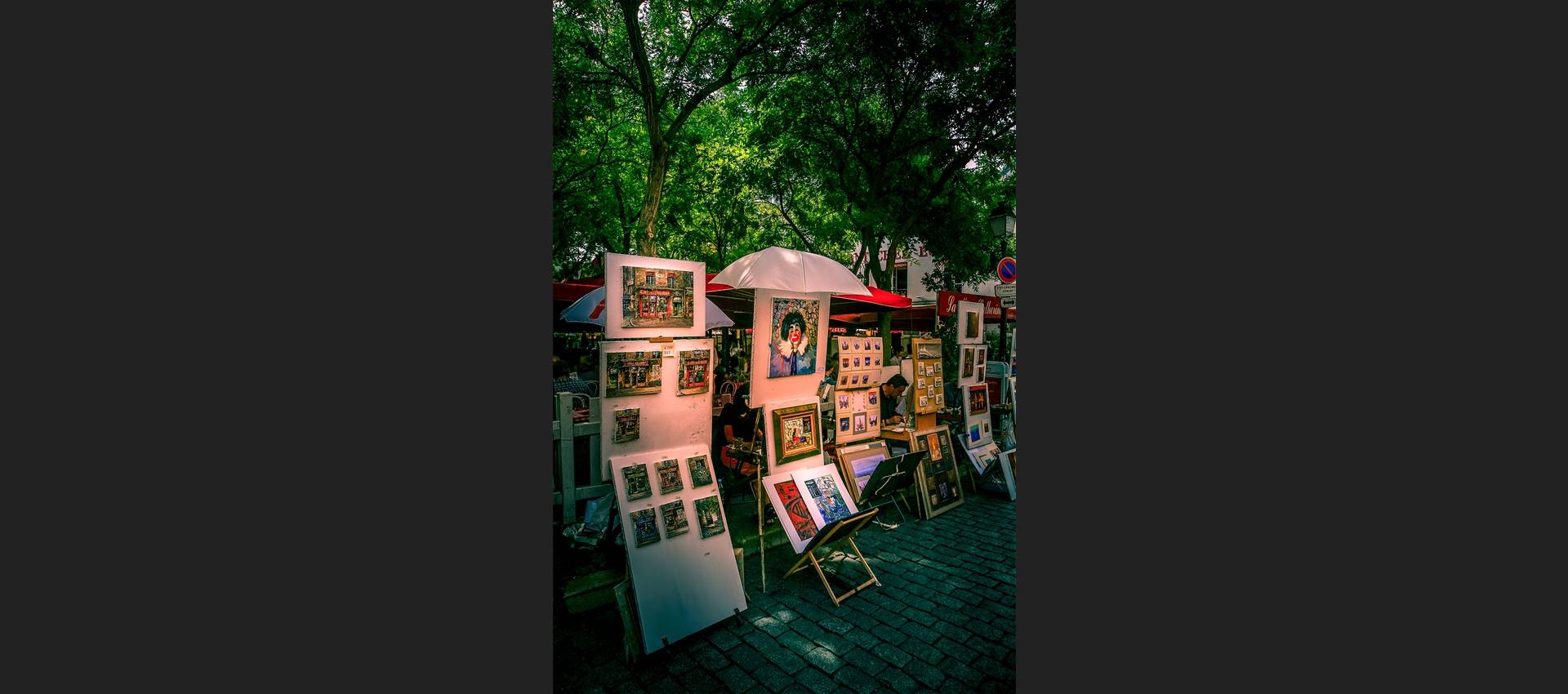
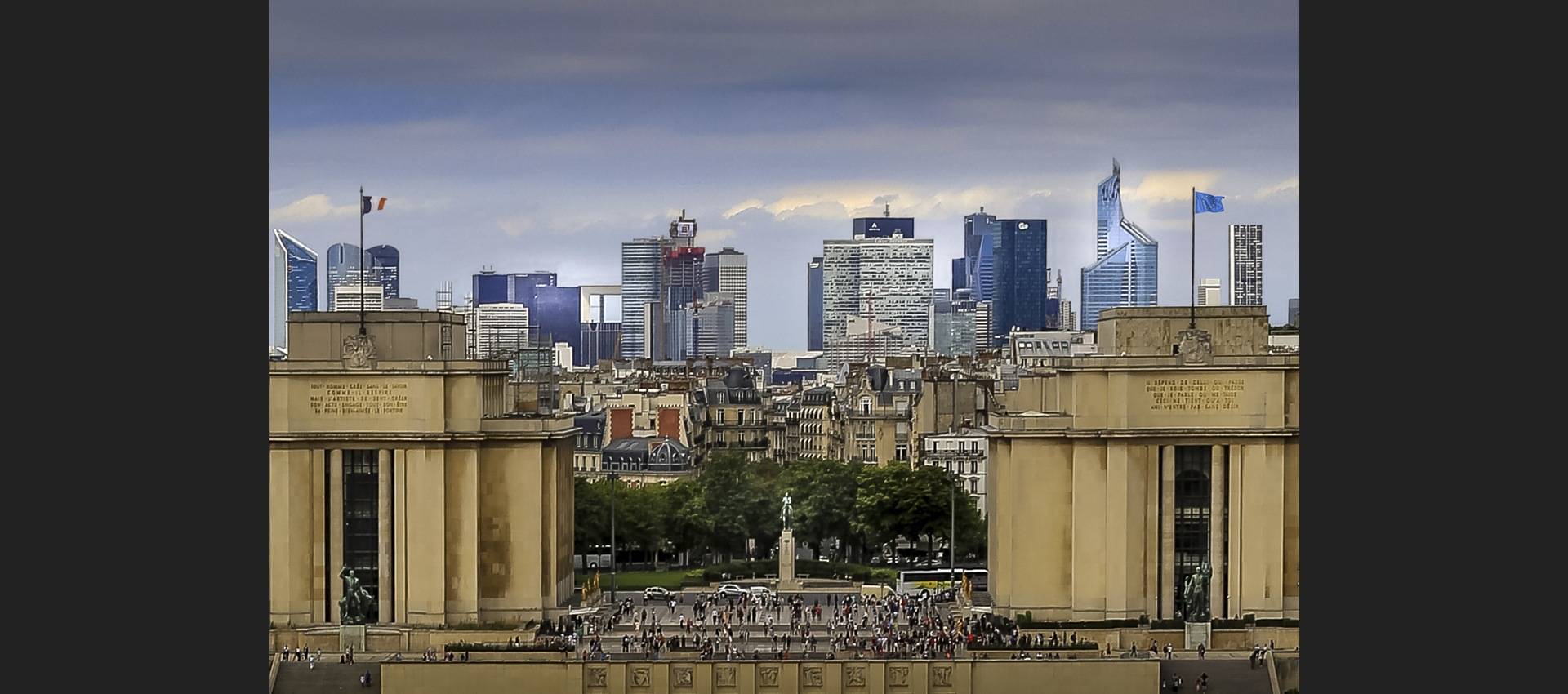
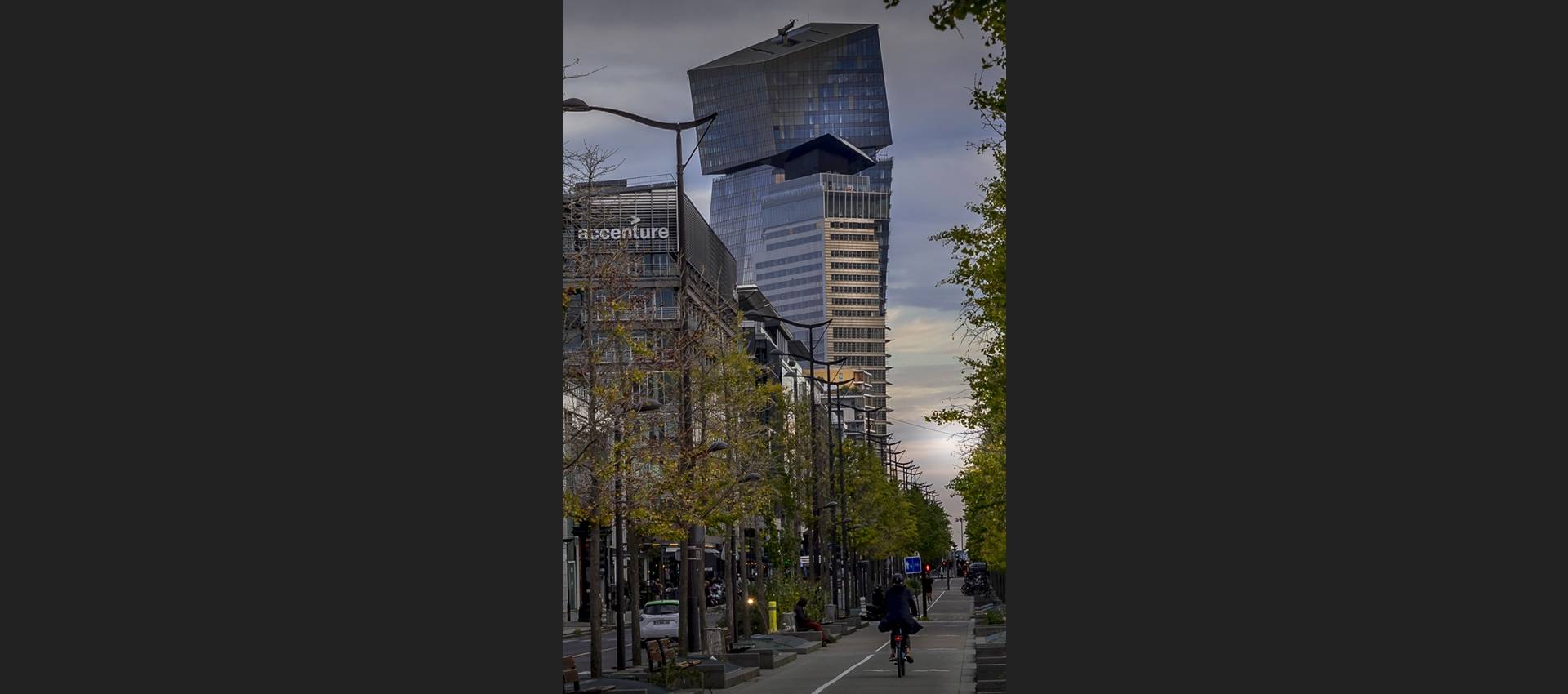
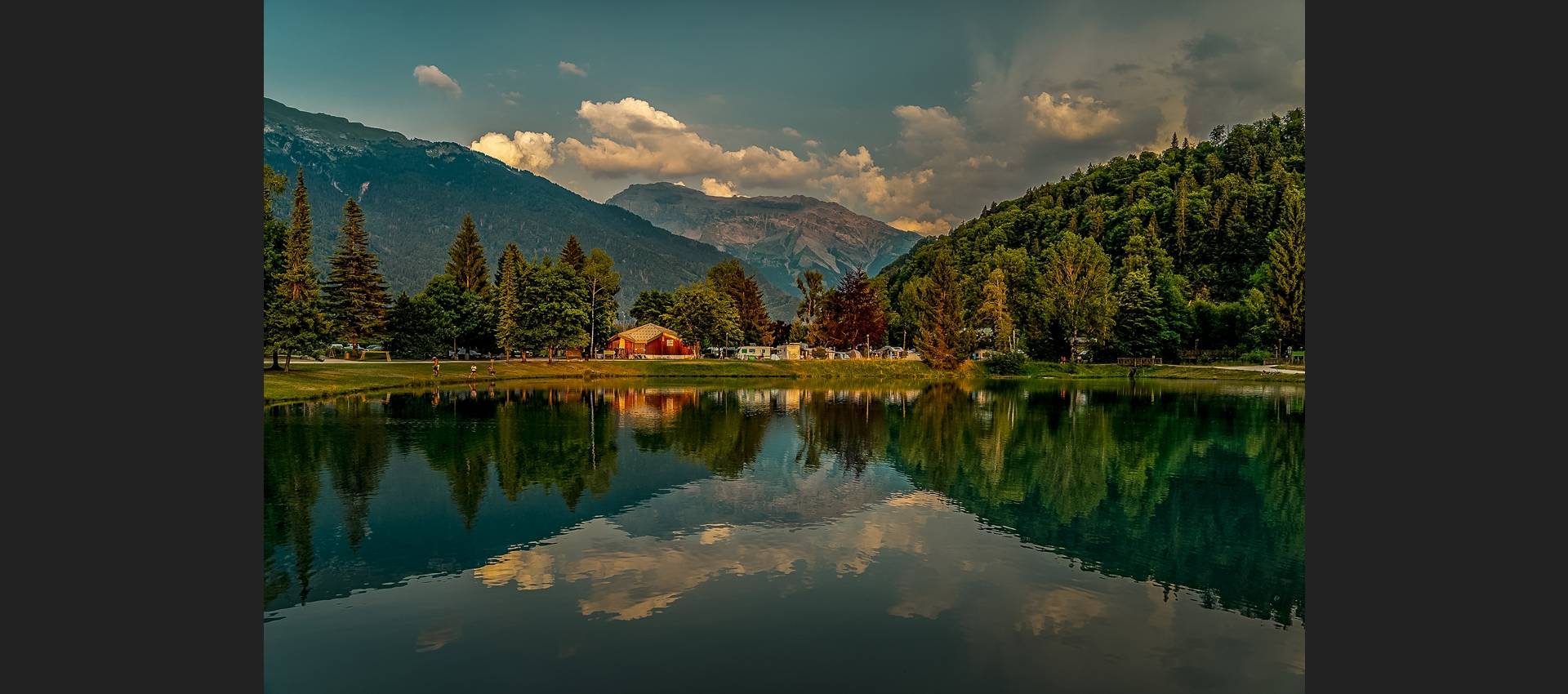
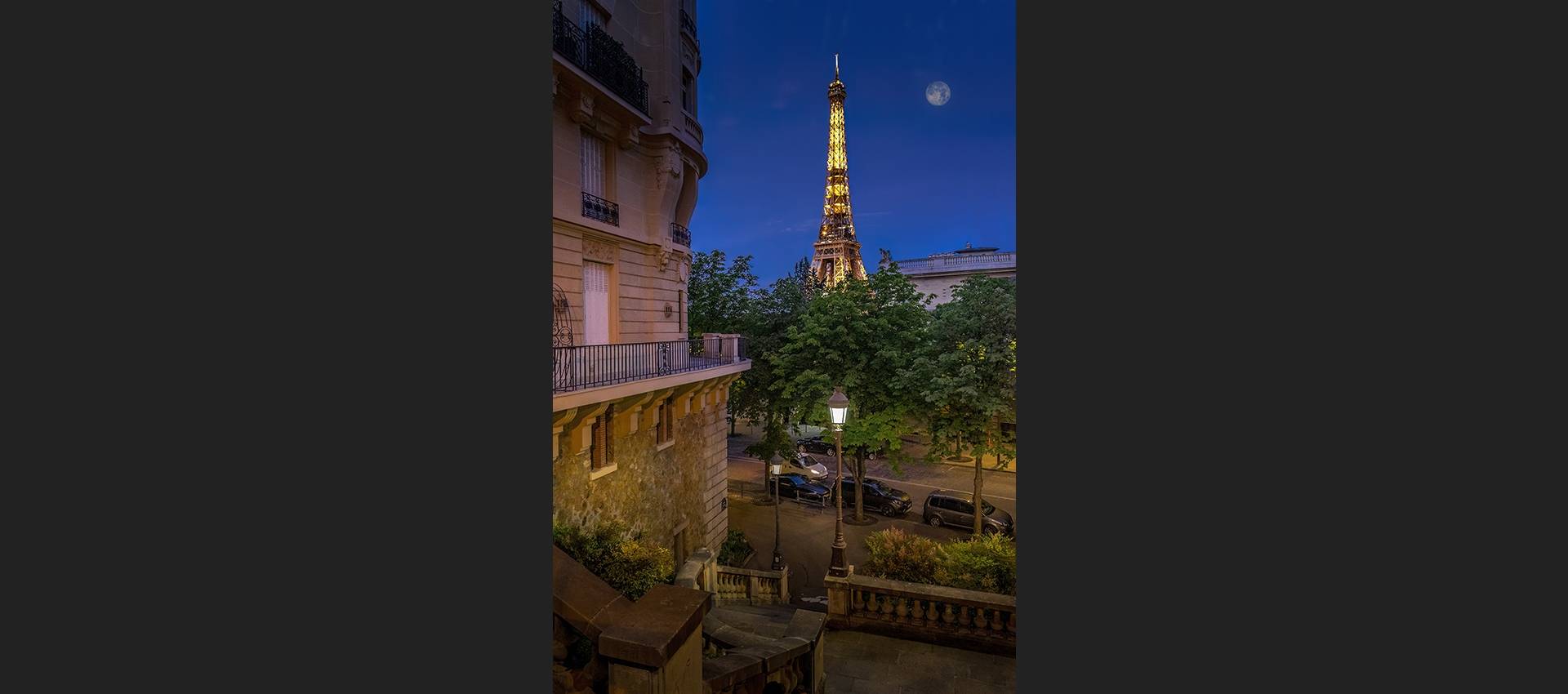
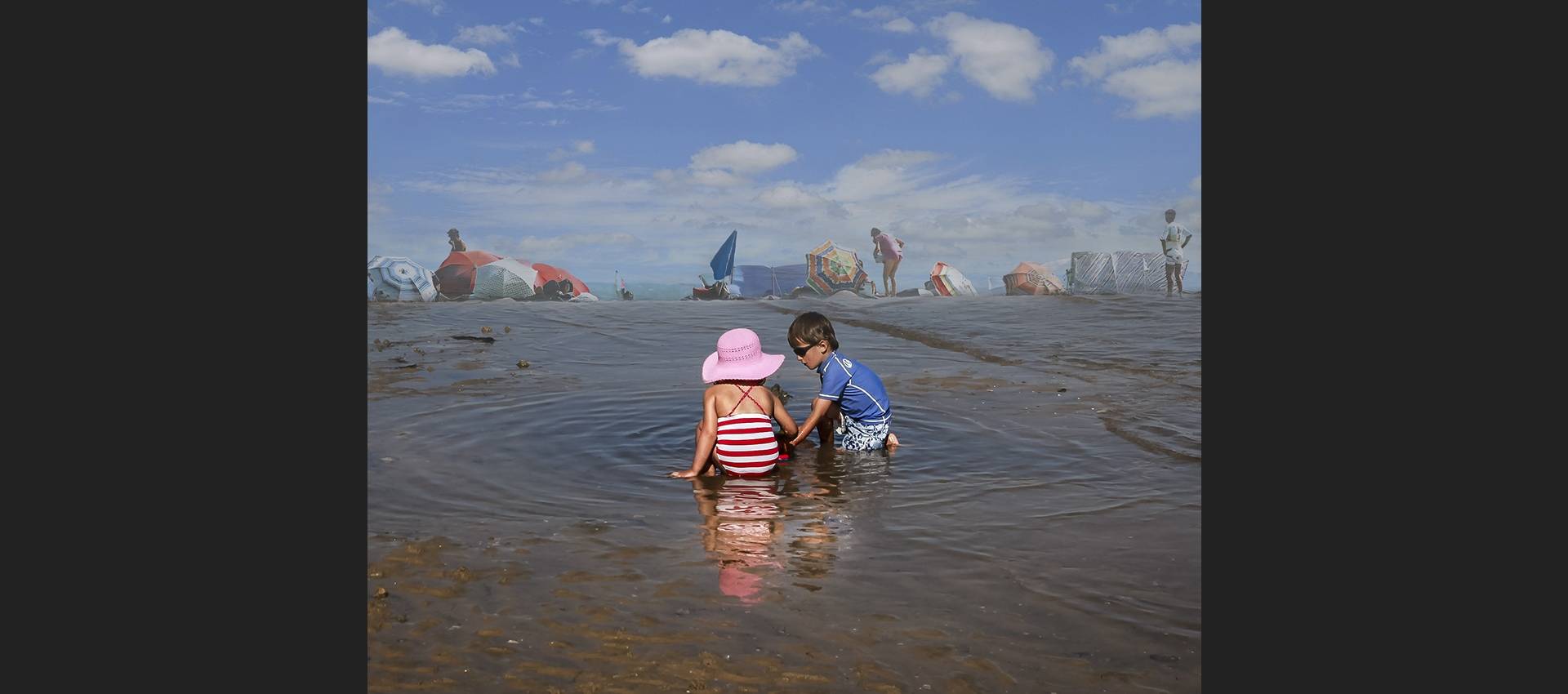
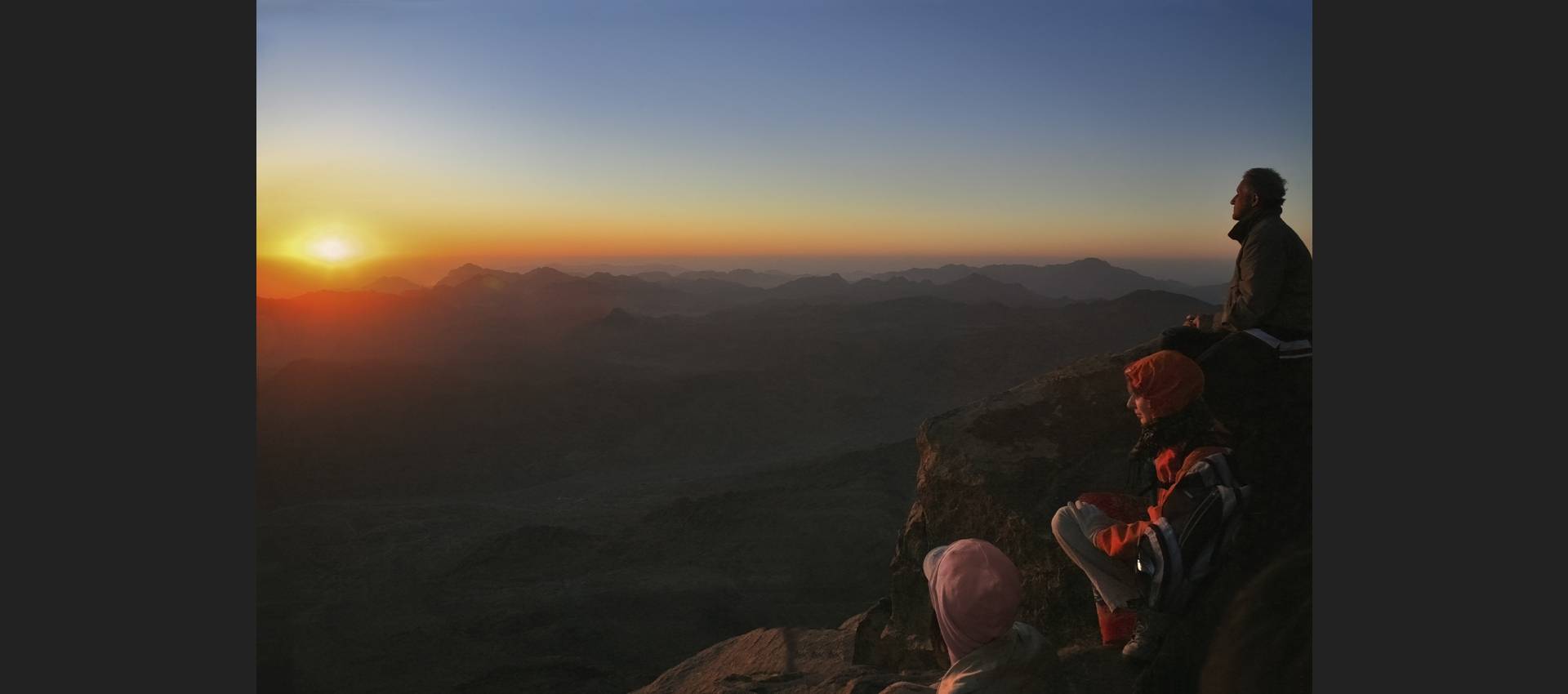


Always impassioned by photography, I really could not practise and enjoy it before being released from my professional obligations.
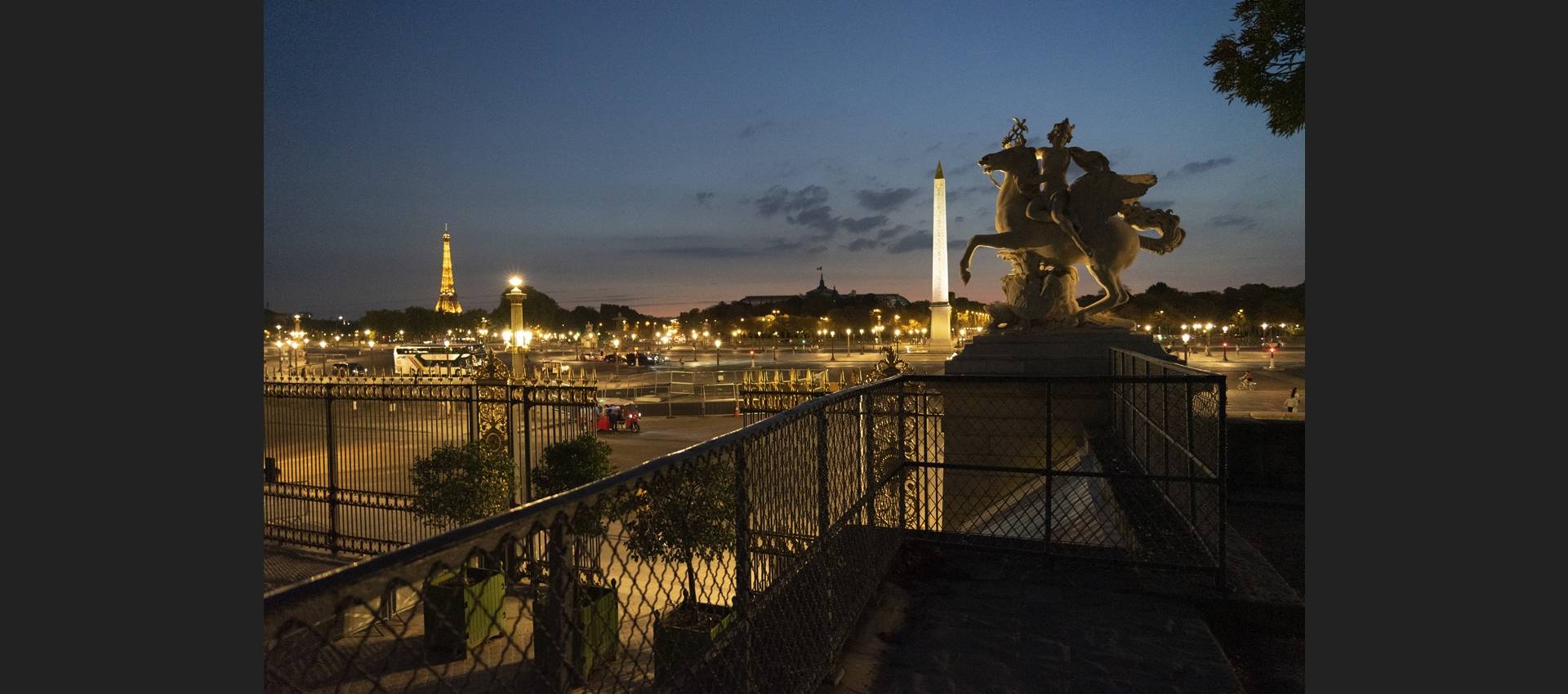
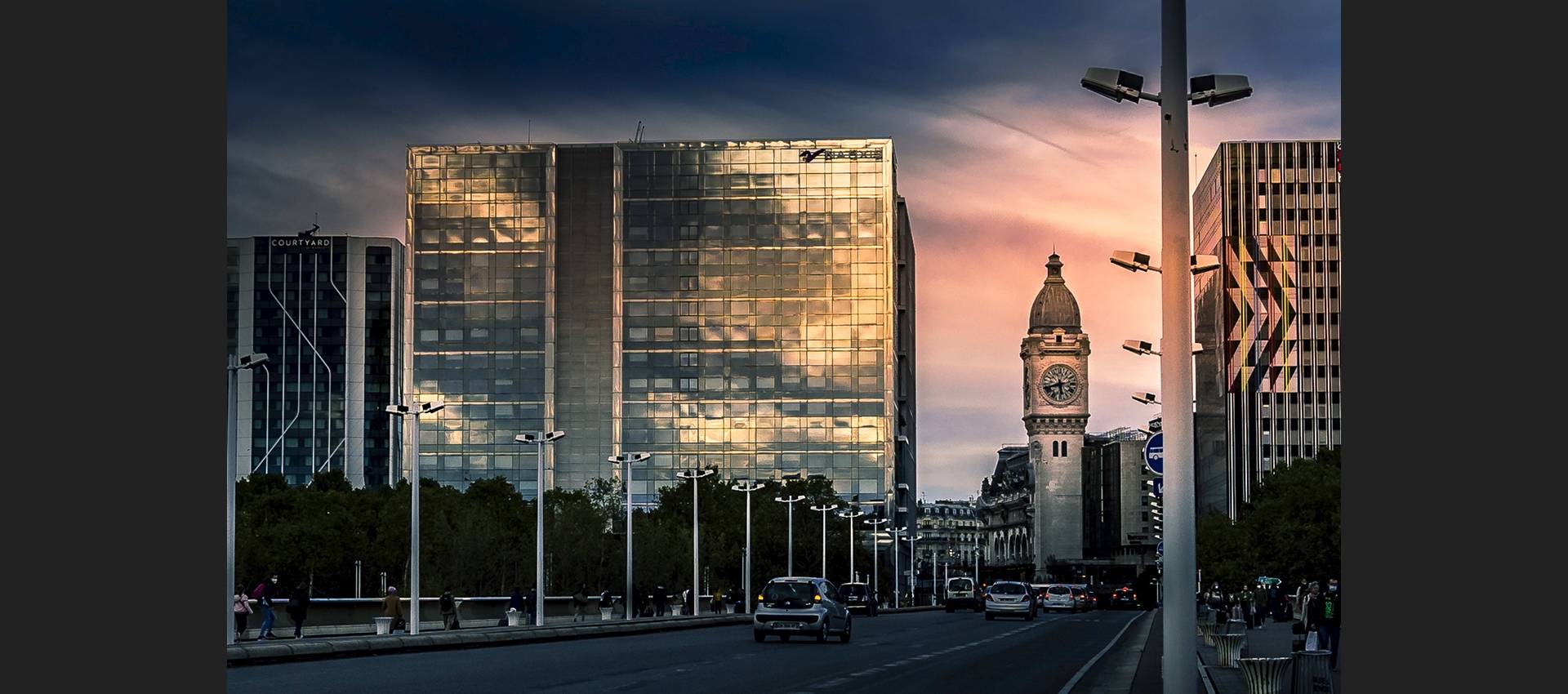
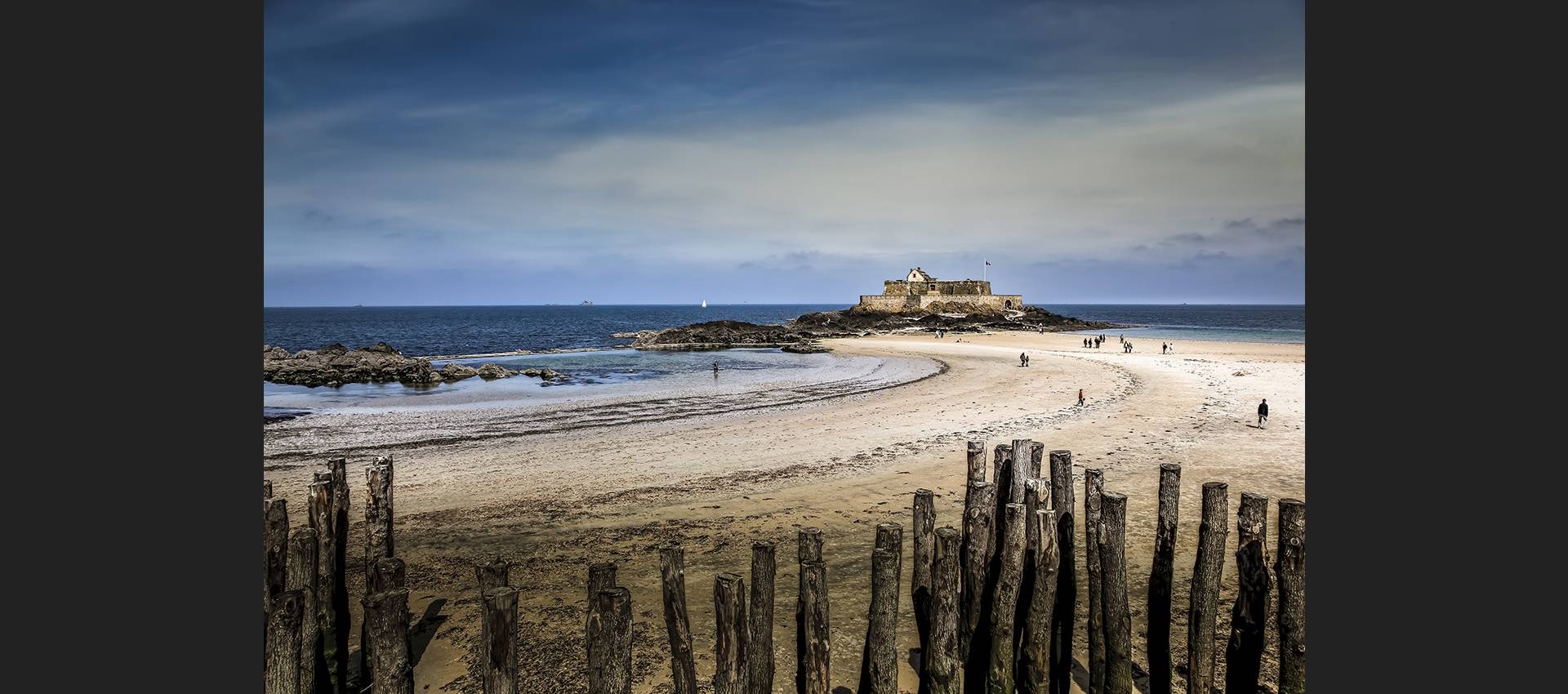
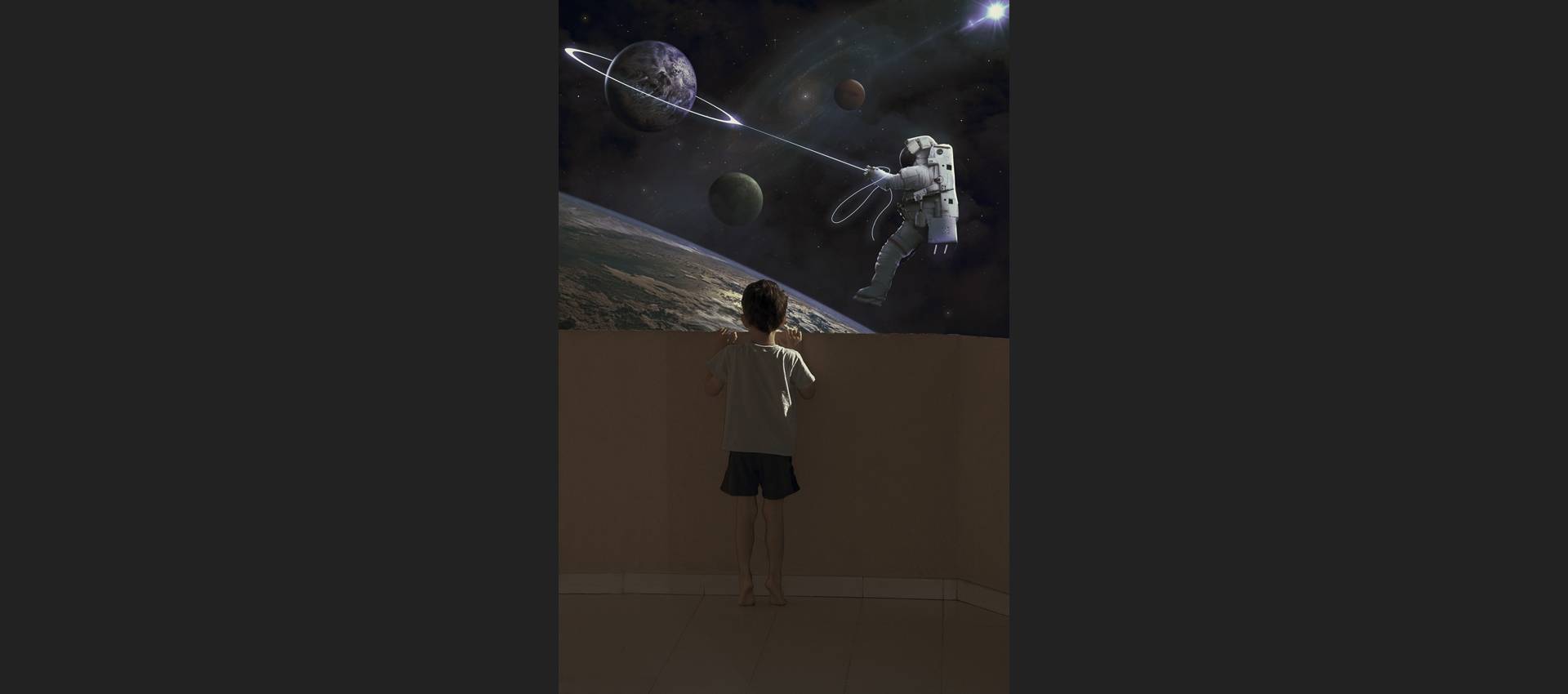
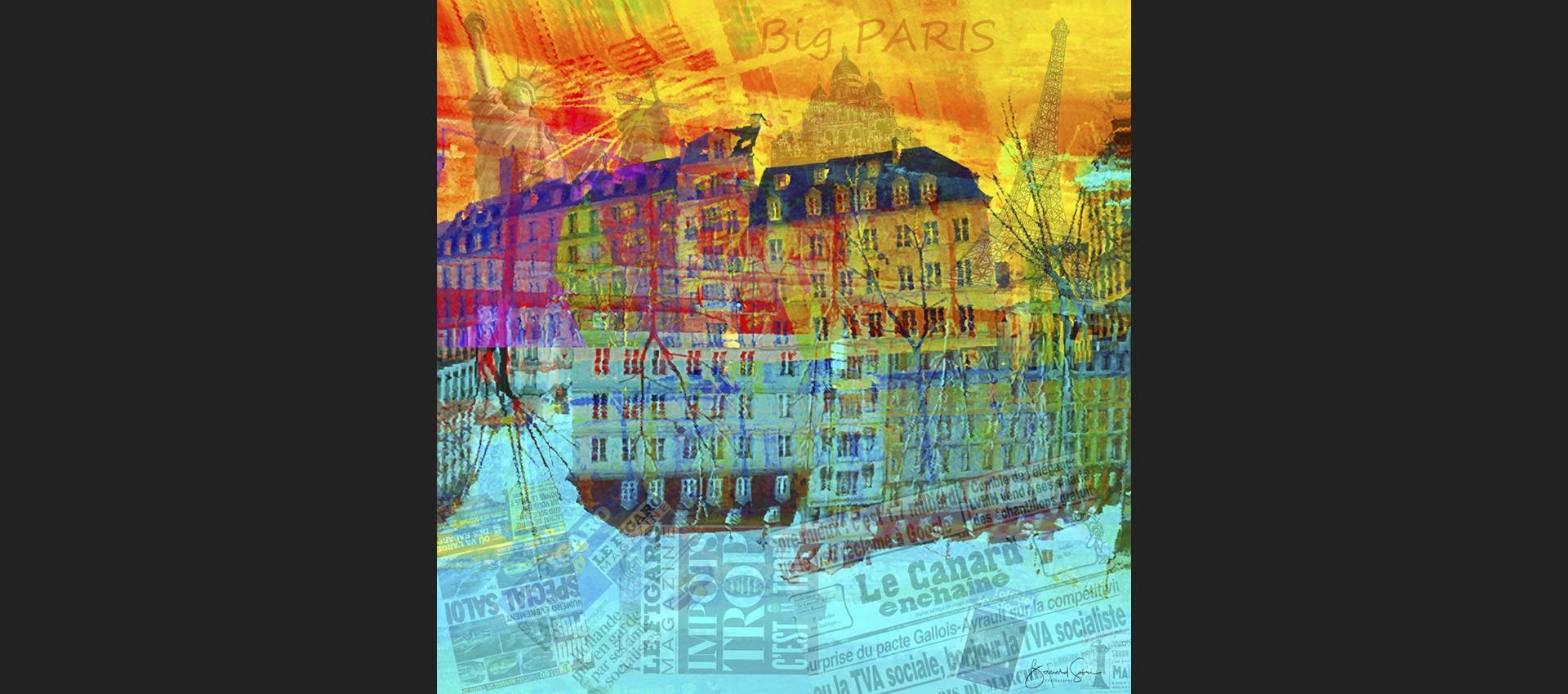
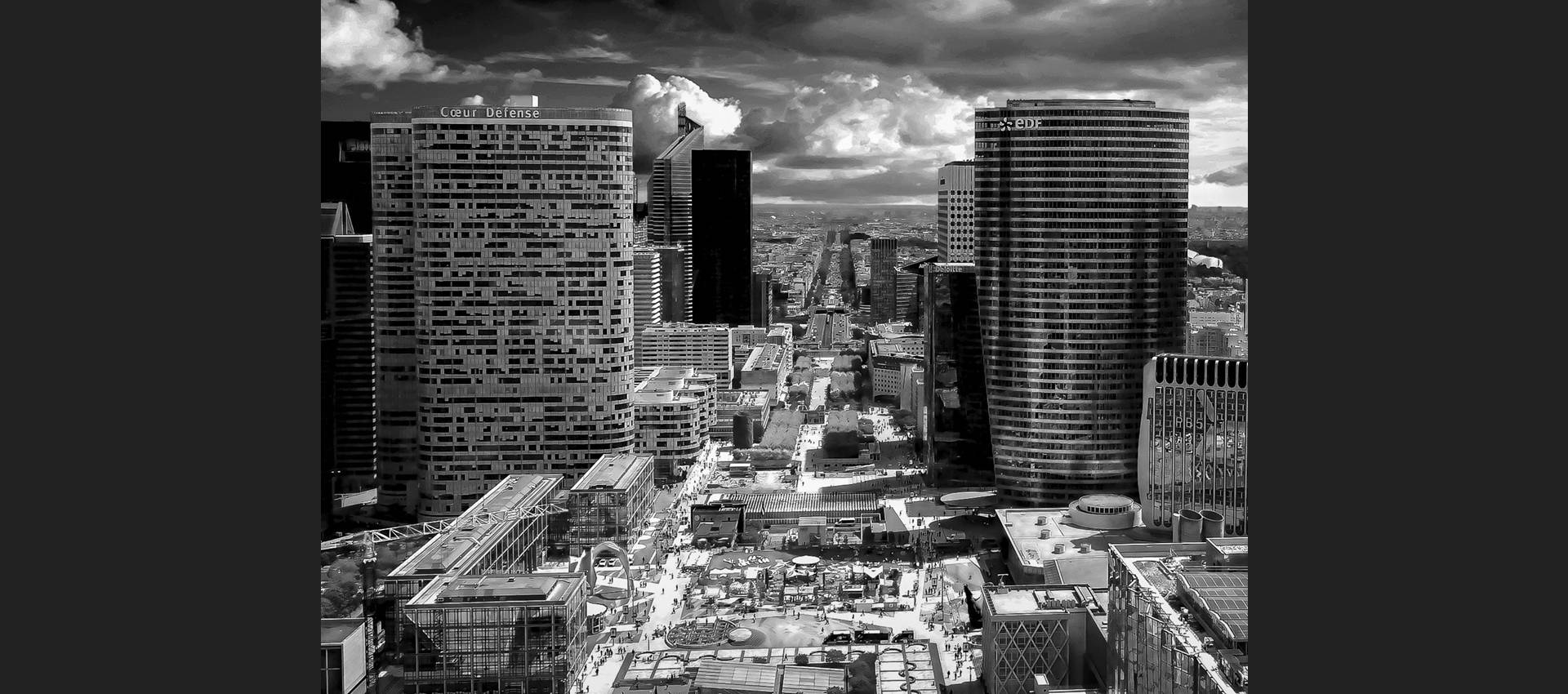
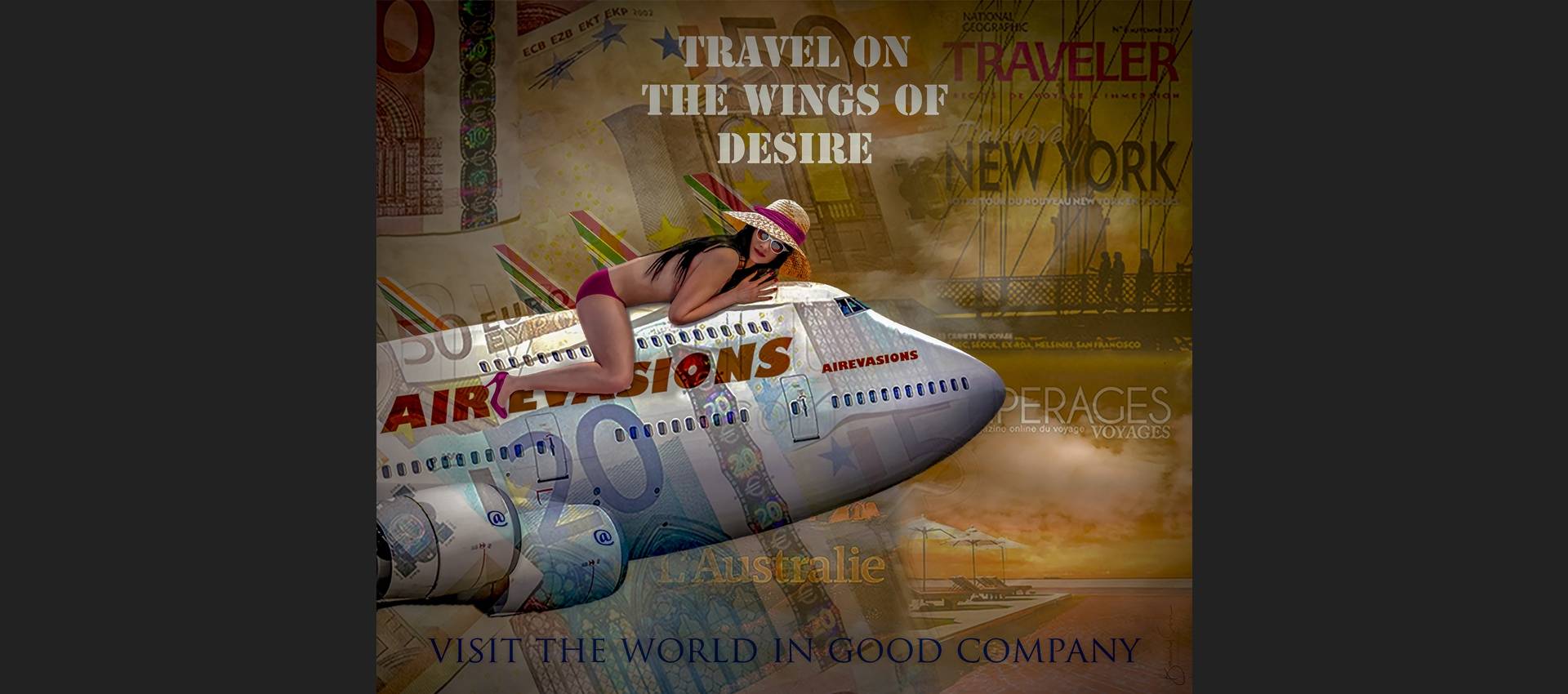
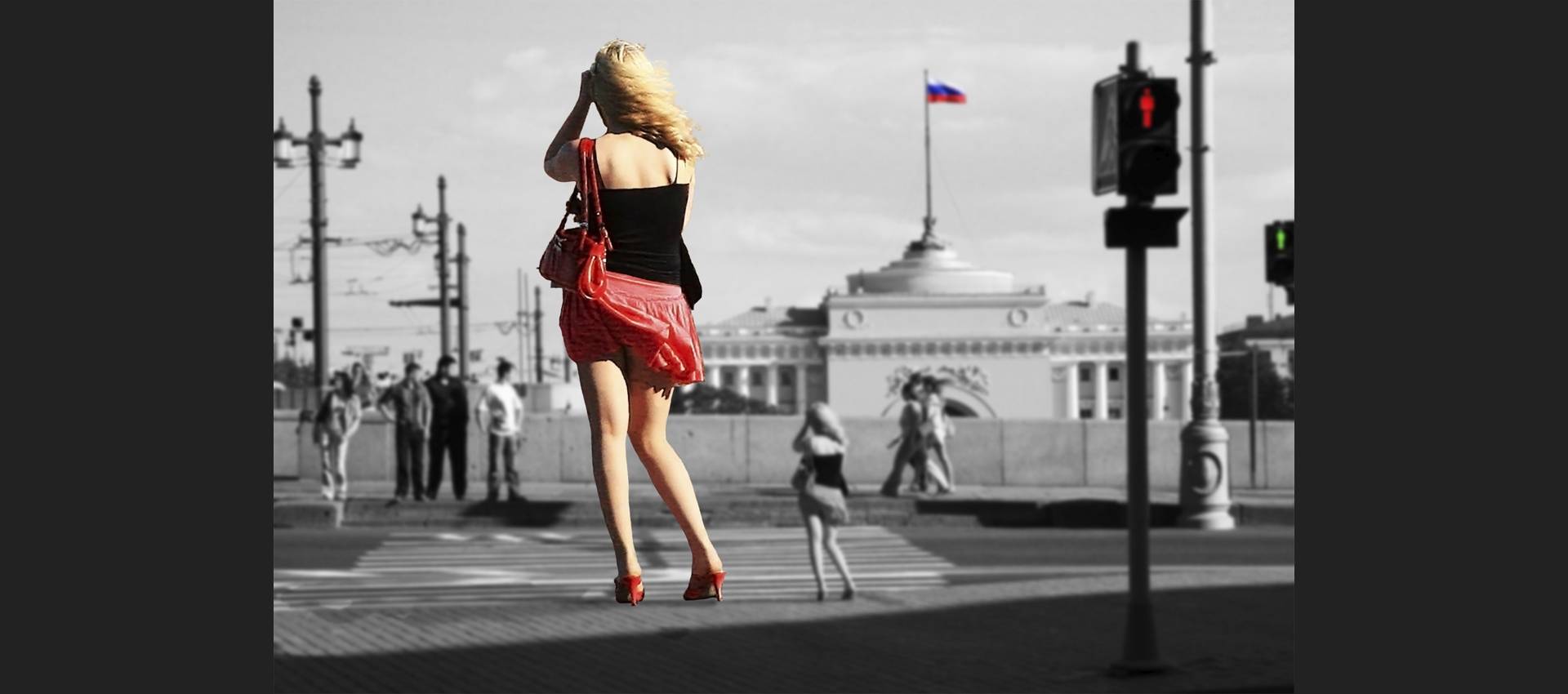
The quasi unlimited possibilities of digital photography amplify, in a very significant way, the interest which one can carry to the art of photography. Indeed, it became relatively easy to make a photograph look like a painting or even a drawing for example, thanks to the multiple image editing software available nowadays...
Artistic Photos - Photography and Me
Always impassioned by photography, I really could not practise and enjoy it before being released from my professional obligations.
The quasi unlimited possibilities of digital photography amplify, in a very significant way, the interest which one can carry to the art of photography, or should I rather say imagery. Indeed, it became relatively easy to make a photograph look like a painting or even a drawing for example, thanks to the multiple image editing software available nowadays.
Consequently, I consider that the largest advantage resulting from the application of digital technology to photography, consists in allowing every Tom to express, freely and easily, his artistic sensitivity in so far as one is interested in the thing.
I was born in Egypt of Swiss mother and Egyptian father, a francophile intellectual called "Le Sorbonnard" (student at the Sorbonne) because he was the first Egyptian to obtain his PhD from the Sorbonne. A father historian, writer and professor at the university who was also a great fine arts lover. I thus grew in a house where there were paintings fixed on all wall, where there were not already a library or a tapestry which already occupied the place. These paintings, books and objects had been collected by my father during his stay of more than 25 years in France.*
This environment gave me a sensitivity to the beauty. After the baccalauréat in Heliopolis, suburb of Cairo in which I grew, I left for Germany to obtain a diploma in electrical engineering of the university of Braunschweig, which enabled me to start a "sales-engineer" career at a European level and which led to the management of medium-sized businesses.
The holidays were thus the only short moments when I could join again with the pleasure of photography. Since one offered to me, in 2003, a digital camera (Olympus, Camedia C-5050 Zoom), I turned the back on my 35mm Film SLR Camera which, however, was my faithful companion during almost a score of years. In consequence of this evolution towards the digital one, some laborious tasks remain to be achieved, in particular, those of the scanning and the filing of hundreds of film photographs.
Throughout the years, this website is undergoing a significant enriching evolution.
Enjoy your visit and don't forget to sign the Guestbook.
Bernard Sabri
Last update : May 2024